
Ai + Human Movement
From Exercise To Everyday Work
Overview
AI + Human Movement is a program focused on understanding how people move in real life—from structured exercise and sports to everyday work and labor.
Through Global Fast Fit and our Local Records programs, we study a wide range of human movement, including fitness training, sports like table tennis and boxing, as well as construction work, carrying loads, and farm labor.
By combining video analysis and AI tools, our goal is simple and practical: to help people move more safely, avoid injury, and become more productive in their daily lives.
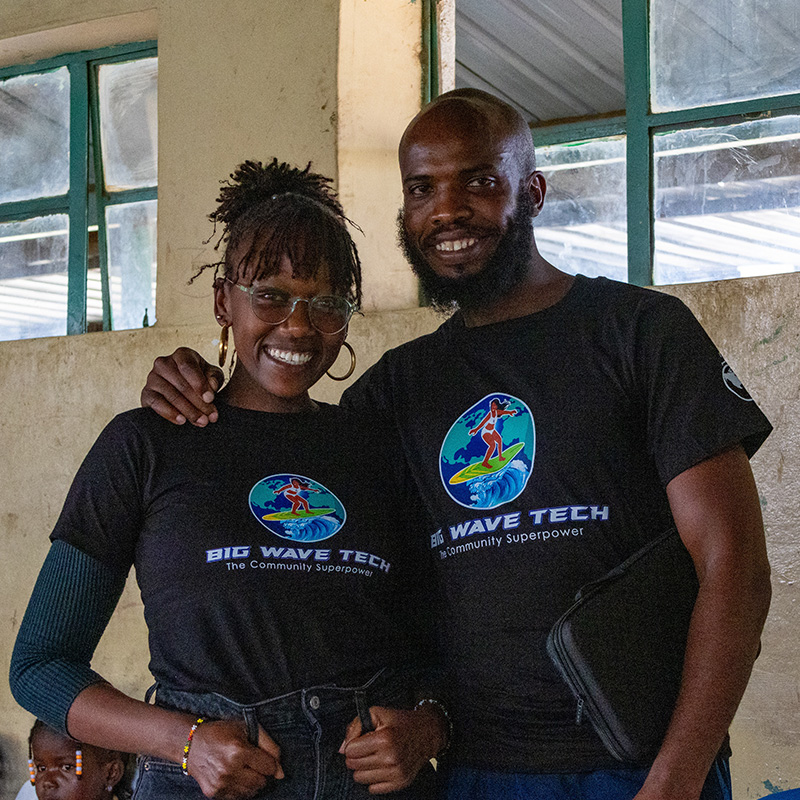
How AI Supports Better Movement
AI is used as an observational and learning tool, not as a replacement for human experience or coaching.
Practical Applications
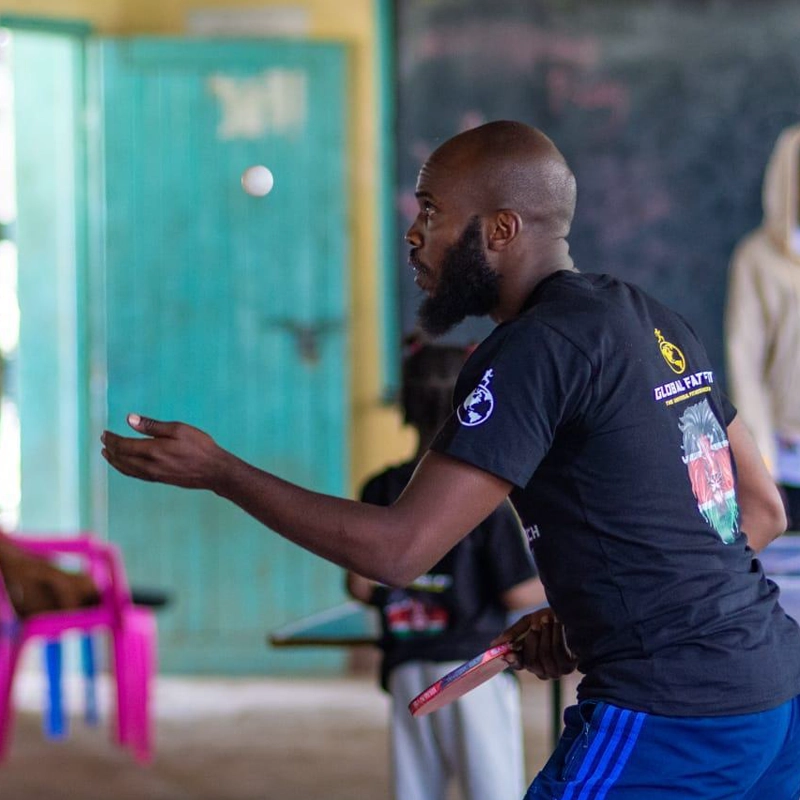
Table Tennis
Table tennis may look simple, but it involves some of the fastest human reaction times and most precise movements in sport. Small changes in posture, grip, timing, and footwork can dramatically affect performance and injury risk.
In this program, AI is used to analyze short video clips of play to help players understand:
The goal is not to turn athletes into machines, but to help everyday players move more safely, improve consistency, and enjoy the game longer—whether they are students, community players, or local competitors.
Tennis
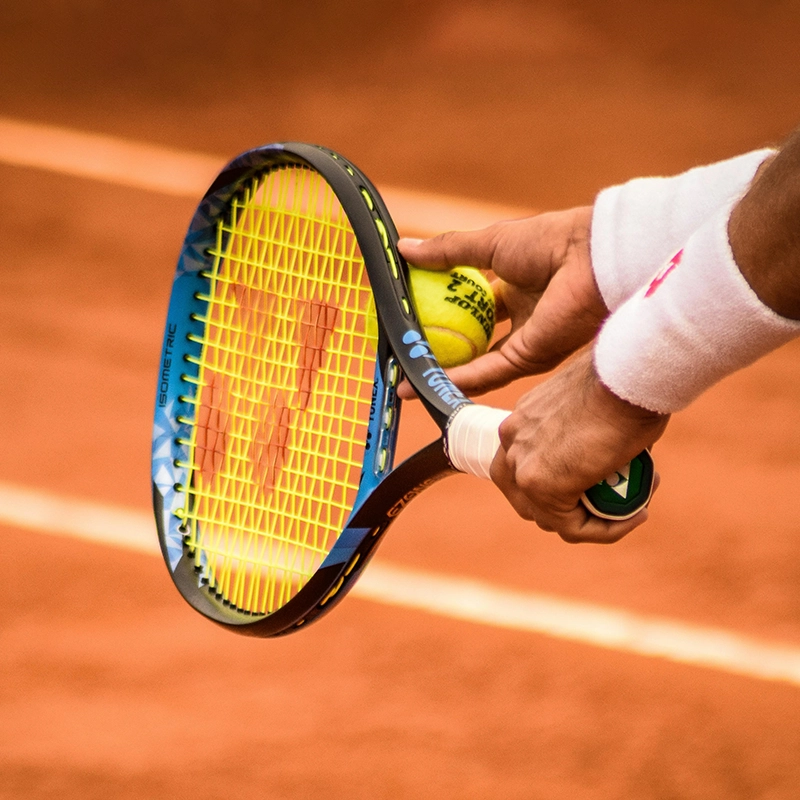
Tennis combines explosive movement, endurance, and repetitive overhead actions that can place stress on the shoulders, elbows, knees, and lower back.
Through AI-assisted video review, this program explores how players move across the court, how they load and unload their joints, and how fatigue changes technique over time. AI helps highlight:
By making movement visible and understandable, players and coaches can adjust training habits, reduce injury risk, and build more sustainable performance—especially in community and amateur settings where access to professional coaching is limited.
Basketball
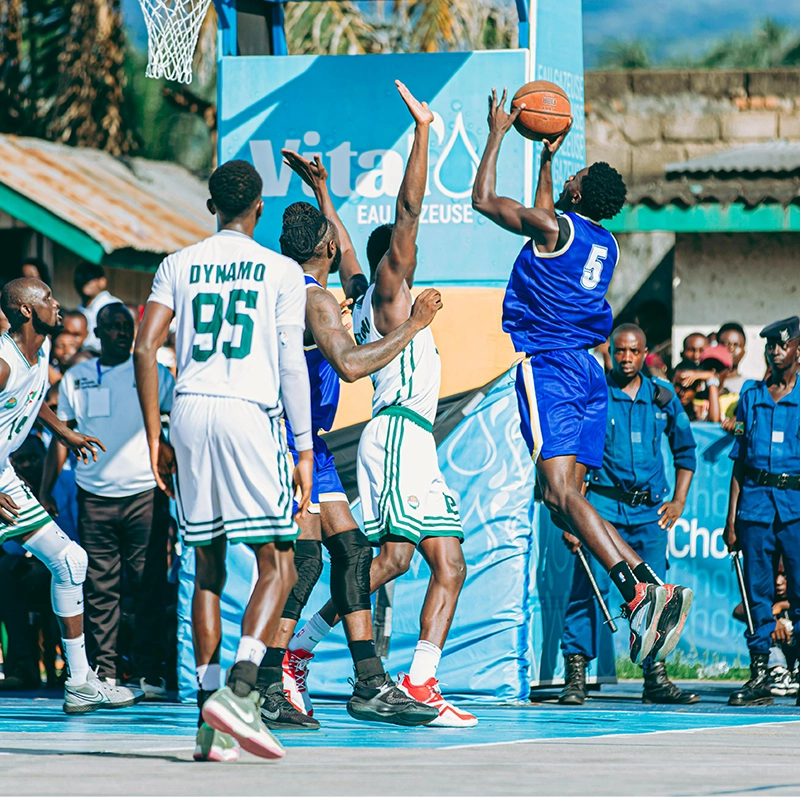
Basketball is a high-impact sport involving jumping, sudden direction changes, and frequent physical contact. These movements place heavy demands on the knees, ankles, hips, and spine.
In this section, AI is used to study:
The focus is injury prevention and movement awareness, not elite analytics. By understanding how the body absorbs force and how fatigue alters movement, players can train smarter, reduce common injuries, and stay active longer within their communities.
Weightlifting
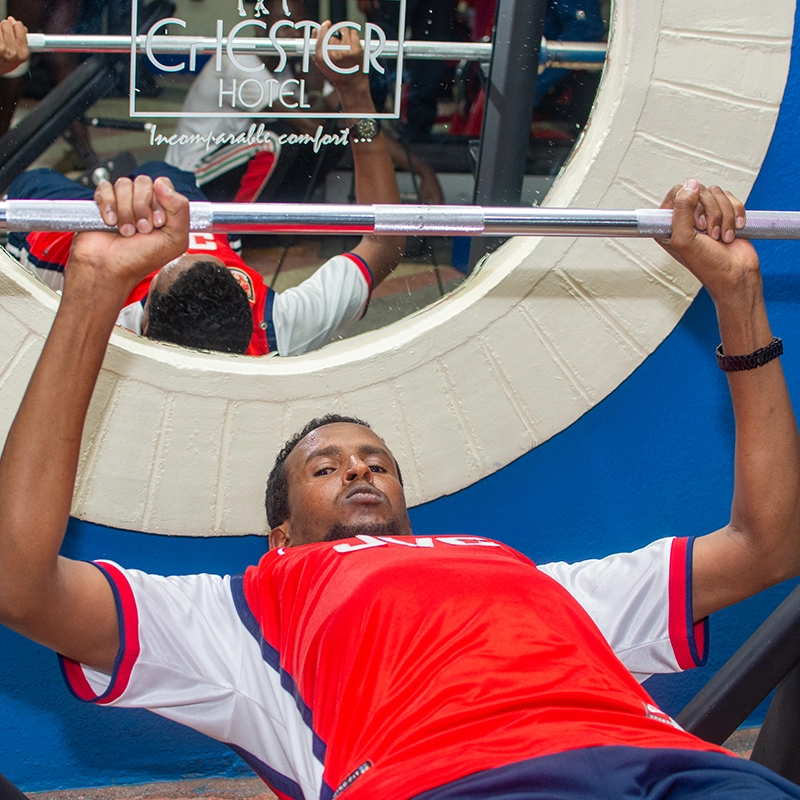
Weightlifting is one of the clearest examples of how small movement errors can lead to serious injury. Proper alignment, timing, and load distribution are critical.
This program uses AI-assisted video analysis to help lifters and trainers identify:
The emphasis is education and safety. AI becomes a second set of eyes—helping people lift with better awareness, protect their joints and spine, and build strength responsibly, whether in a gym, community center, or home environment.
Construction Work
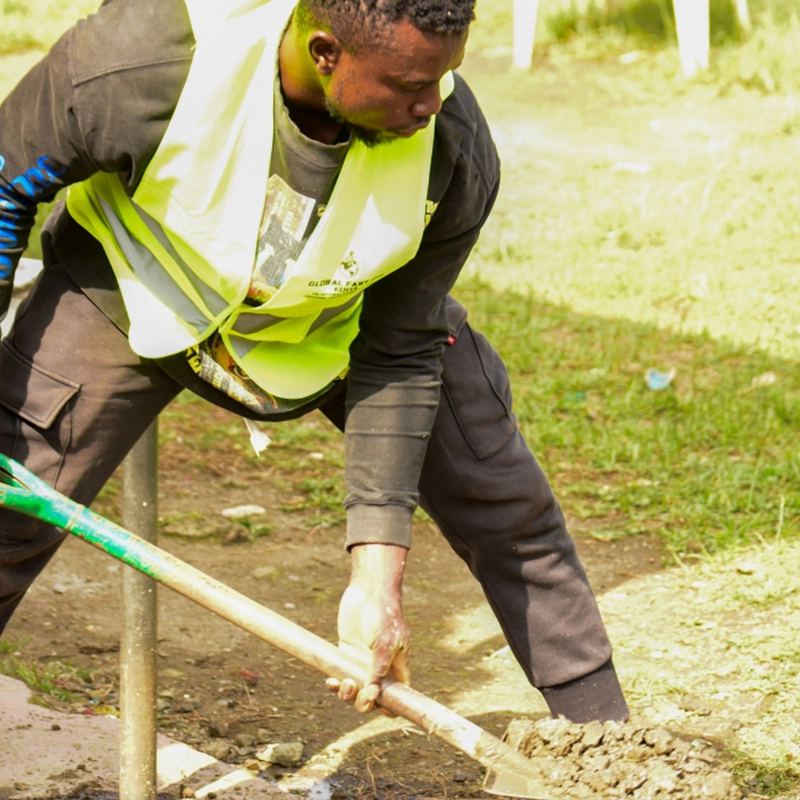
Not all human movement happens in sports. Construction work involves repetitive lifting, carrying, bending, and tool use—often for long hours, under fatigue, and in unsafe conditions.
In this section, AI is applied to everyday labor movements to study:
The aim is to reduce injury, improve safety, and support long-term health for workers. By using simple video analysis and AI feedback, workers and supervisors can better understand risky movements and make small changes that protect the body over time.
Long-Term Vision
AI + Human Movement aims to:
Advancing Better Movement for Safer Work and Healthier Lives
AI + Human Movement explores how practical AI and visual learning can support
the way people move at the gym, at work, and in everyday life.